
Top 5 Benefits of Professional Asphalt Paving
Table of Contents
Why Professional Asphalt Paving Beats DIY and Cheap Alternatives
Benefit 1: Durability and Long-Term Pavement Longevity
Sub-Base Preparation and Compaction: The Foundation of a Lasting Driveway
Benefit 2: Cost-Effectiveness and Long-Term ROI
Benefit 3: Faster Installation Timelines and Less Disruption
Benefit 4: Enhanced Curb Appeal and Property Value
Benefit 5: Safety, Smooth Ride, and Weather Resistance
Skid Resistance and Surface Drainage
What Professional Asphalt Paving Costs Per Square Foot
The 10-to-20-Year ROI Math
Asphalt Maintenance Best Practices for Central Illinois Properties
Why Freeze-Thaw Regions Need a Different Playbook
Permitting and Code Compliance: A Benefit Most Homeowners Miss
The Maintenance Checklist
Frequently Asked Questions
Last Updated: September 18, 2026
Why Professional Asphalt Paving Beats DIY and Cheap Alternatives
Professional asphalt paving is the installation of a durable, load-bearing surface by trained crews using commercial-grade equipment, proper sub-base preparation, and controlled compaction. At Advanced Paving and Sealcoating, Inc., we have over 20 years of experience in asphalt services. We've seen the difference between a driveway that lasts decades and one that cracks within two winters. The gap almost always comes down to who did the work and how they prepped the ground underneath.
Here is the honest truth: asphalt is not a product you buy, it is a process you hire. The liquid asphalt binder and aggregate are only as good as the base beneath them.
Benefit 1: Durability and Long-Term Pavement Longevity
A professionally installed asphalt surface typically lasts 15 to 20 years or more, while a poorly prepped driveway can show serious pavement distress within 3 to 5 years. The difference is not luck. It is engineering.

Sub-Base Preparation and Compaction: The Foundation of a Lasting Driveway
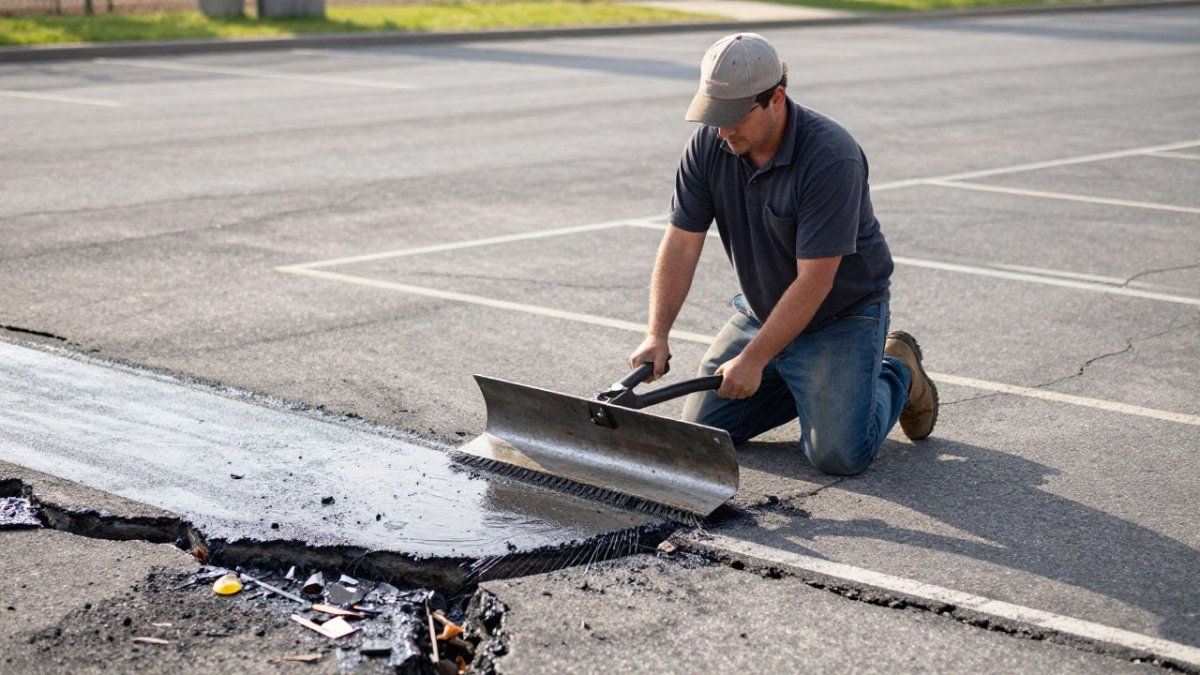
Proper sub-base work means excavating to the right depth, grading for surface drainage, and compacting the aggregate in layers. Each layer gets compacted before the next goes down. Skipping that step leaves voids that shift under weight.
Watch Out Never accept a quote that skips excavation or compaction to save time. That shortcut is the number one cause of early cracking, potholes, and a driveway that fails within a few winters.
Benefit 2: Cost-Effectiveness and Long-Term ROI
Asphalt paving is cost-effective because the upfront investment is lower than most hard surfaces and the maintenance costs stay predictable over time. The real savings show up in the long run, not the first invoice.
Here is how to think about long-term ROI:
Upfront cost: Higher for professional work, because it includes proper prep and materials
Maintenance cost: Lower and predictable when the base is solid
Replacement cost: Avoided entirely when the pavement reaches its full lifespan
Property impact: A sound surface supports resale value instead of dragging it down
Benefit 3: Faster Installation Timelines and Less Disruption
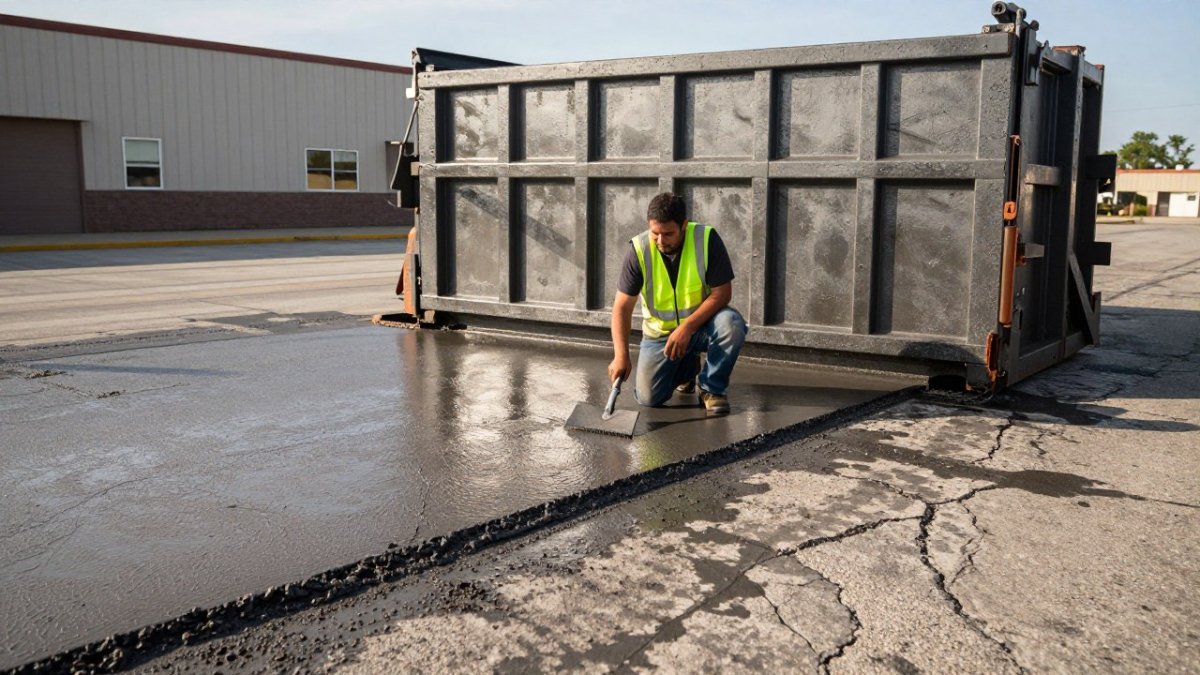
Asphalt installs faster than concrete, and a professional crew can often complete a residential driveway in a single day. That speed matters when you have a business to run or a family that needs access to the garage.
Benefit 4: Enhanced Curb Appeal and Property Value
A clean, well-paved surface improves curb appeal immediately and supports property value over the long term. First impressions form fast, and pavement is one of the first things a visitor, buyer, or tenant notices.
Pro Tip Schedule sealcoating every 2 to 3 years, and have cracks filled as soon as you spot them. This small habit is what keeps a driveway or lot looking new and extends pavement longevity.
Benefit 5: Safety, Smooth Ride, and Weather Resistance
Professional asphalt delivers a smooth ride, strong skid resistance, and reliable performance through extreme weather. Those are not just comfort features. They are safety features.
Skid Resistance and Surface Drainage
Skid resistance comes from the texture of the asphalt and the aggregate used in the mix. Surface drainage comes from proper grading, so water runs off instead of pooling. When water sits on pavement, it works its way into cracks and freezes, which is how potholes begin.
What Professional Asphalt Paving Costs Per Square Foot
Asphalt paving cost per square foot depends on the scope of work. For an accurate figure, request a free on-site estimate from a licensed local contractor who can assess your specific conditions.
Project Type | Typical Installed Range (per sq ft) | Notes |
Residential driveway, new install | $3 to $7 | Includes 2 to 3 inches of asphalt over a prepared base |
Residential driveway, overlay | $1.50 to $3 | Only viable if the existing base is sound |
Commercial parking lot, new install | $2.50 to $6 | Thicker lifts and heavier binder for truck traffic |
Sealcoating (per sq ft) | $0.15 to $0.30 | Applied every 2 to 3 years |
Crack sealing (per linear ft) | $1 to $3 | Cheaper the earlier you catch it |
These ranges shift based on five cost drivers:
Area size: Larger surfaces lower the per-square-foot cost because mobilization and equipment time get spread across more square footage.
Site access: Tight driveways, gated lots, or properties without room for a paver and dump truck slow the crew and add labor.
Sub-base condition: Soft, organic, or poorly drained ground requires more excavation, more aggregate, and more compaction passes.
Drainage needs: Regrading, swales, or catch basin work add scope before a single ton of asphalt is laid.
Surface thickness: A residential driveway typically gets 2 to 3 inches of compacted asphalt; a commercial lot carrying delivery trucks may need 4 inches or more, often in two lifts.
The 10-to-20-Year ROI Math
Key Takeaway Cheap pavement is not cheaper. It just moves the cost from year one to year five, and adds interest in the form of emergency repairs, lost access, and a second full installation.
Because these factors vary so much from property to property, the only reliable number is a written estimate based on your actual site. Advanced Paving and Sealcoating, Inc. provides free estimates, so you know exactly what your project costs before any work begins.
Project Factor | What It Affects | Why It Matters |
Area size | Total cost | Larger areas cost less per square foot |
Site access | Labor time | Difficult access slows installation |
Sub-base condition | Excavation scope | Weak ground needs more prep |
Drainage needs | Grading work | Prevents pooling and water damage |
Surface thickness | Material volume | Commercial lots need more asphalt |
Asphalt Maintenance Best Practices for Central Illinois Properties
The best maintenance schedule for an asphalt surface in this region combines regular sealcoating, prompt crack sealing, and seasonal inspections. The freeze-thaw cycle here is hard on pavement, so a consistent routine is what protects your investment.
Why Freeze-Thaw Regions Need a Different Playbook
In a freeze-thaw climate, water is the enemy. It seeps into hairline cracks, freezes, expands, and pries the crack wider. Repeat that cycle through a winter and a hairline crack becomes a pothole by spring. That is why maintenance here is less about cosmetics and more about keeping water out.
Positive drainage first. Water that sheets off the surface never gets a chance to infiltrate. Regrading low spots and clearing drainage paths is the cheapest maintenance you can do.
Sealcoat before winter, not after. A fresh sealcoat applied in late summer or early fall cures before the first freeze and gives the surface a sacrificial layer against ice and salt.
Crack seal in dry weather. Filling cracks when the pavement is wet traps moisture underneath and defeats the purpose.
Watch the shoulders and edges. Freeze-thaw damage often starts at the perimeter where the asphalt meets soil, because that is where water collects and the base is thinnest.
Permitting and Code Compliance: A Benefit Most Homeowners Miss
One of the least-discussed benefits of hiring a professional is that they handle the regulatory side. Many municipalities require a permit for new driveway construction, driveway widening, or any work that changes stormwater runoff. Some HOAs add their own rules on top, approved materials, maximum widths, setback from property lines.
Ask any contractor you consider three questions before signing:
Will you pull the required permits, and are they included in the quote?
How do you handle stormwater runoff requirements for my property?
Can you provide proof of insurance and references from comparable local jobs?
The Maintenance Checklist
Sealcoat every 2 to 3 years, ideally before winter
Fill cracks as soon as they appear, in dry weather
Clear debris and keep surface drainage paths open
Inspect after every winter for new pavement distress
Repair potholes early to prevent them from spreading
Keep heavy vehicles off residential driveways in warm weather
Confirm permits and HOA approvals are in place before work begins
If you are choosing a contractor, look for proof of experience, references from other property managers, and a clear written scope. Ask how they handle sub-base preparation and compaction, because that is where quality lives. A contractor who cannot explain those steps is one to avoid.
Frequently Asked Questions
How long does a professionally installed asphalt driveway last?
A properly installed asphalt driveway typically lasts 15 to 20 years, and sometimes longer with regular maintenance like sealcoating every 2 to 3 years and prompt crack sealing. The key factors are sub-base preparation, compaction, and surface drainage. Driveways that skip these steps often show pavement distress within 5 to 7 years. Professional asphalt paving contractors in Central Illinois account for the freeze-thaw cycle, which is the leading cause of premature cracking in this region.
How much does asphalt driveway cost per square foot?
Asphalt driveway cost per square foot depends on several factors: site grading, sub-base condition, thickness of the asphalt overlay, and whether excavation is needed. Pricing also varies by season and project size. A small residential driveway with a solid base costs less per square foot than a commercial lot requiring full-depth reconstruction. For an accurate figure, request a free on-site estimate from a licensed local contractor who can assess your specific conditions.
What are the common signs that an asphalt driveway needs professional repair?
Watch for these warning signs: cracks wider than a quarter inch, potholes, standing water after rain, crumbling edges, and depressions or ruts in the surface. Alligator cracking (a web-like pattern) usually means the sub-base has failed and patching alone will not fix it. If you spot these issues, schedule a professional assessment before winter. Small repairs done early cost far less than full replacement later.
Is professional sealcoating worth it for extending asphalt life?
Sealcoating is one of the most cost-effective asphalt maintenance best practices. It protects the binder from UV damage, repels water, and fills minor surface cracks before they spread. Most professionals recommend sealcoating 6 to 12 months after new installation, then every 2 to 3 years. Skipping sealcoating allows the freeze-thaw cycle to penetrate the surface, accelerating pothole prevention failures and reducing pavement longevity by years.
GET A FREE ESTIMATE

Comments