
Permeable Driveway Pavers for Heavy Vehicles: What Works
Last Updated: November 22, 2026
Quick Summary
Permeable driveway pavers can handle heavy vehicles, but only when the system is designed and built for that load. The paver type, base depth and subgrade soil all determine whether the surface lasts under repeated heavy axles. Confirm the vehicle weights before choosing a paver.
Write down gross vehicle weight, axle loads and visit frequency before shopping for pavers.
Ask the manufacturer which base thickness and infill its load rating assumes.
Use a deeper base than you would for passenger cars, compacted in lifts of 6 to 8 inches.
Install edge restraints on every exposed edge to resist lateral forces from turning trucks.
Get a site assessment that checks soil and drainage before any materials are bought.
Table of Contents
Can Permeable Driveway Pavers Handle Heavy Vehicles?
Permeable driveway pavers can handle heavy vehicles, but only when the system is designed and built for that load.
Permeable pavement lets rainwater pass through the surface and soak into the ground rather than running off. Many homeowners pick it for stormwater reasons, and that is a fair choice.
The catch is durability. Some permeable concrete can handle heavier loads, but increased surface abrasion can make it deteriorate faster than conventional pavement.
How Permeable Pavers Work Under Load
A permeable paver driveway spreads vehicle weight across the surface and down into a layered base. The pavers carry the surface load, the aggregate base distributes it, and the subgrade soil carries what reaches it. When any layer is weak, the whole system moves.

Permeable systems also store and drain water within the base. The University of Florida IFAS Extension describes permeable pavement systems as green stormwater infrastructure that can reduce runoff while still supporting vehicle and pedestrian traffic (University of Florida IFAS Extension, Permeable Pavement Systems: Technical Considerations).
Permeable Pavement Load Capacity: What Limits It
Load capacity is limited by the paver material, the joint or cell infill, the base depth and the soil beneath. A thick, well-compacted base can carry much more than a thin one.
Most guidance stops there, leaving you unable to answer the only question that matters: will this system carry my trucks? Work from the vehicle numbers first, then match them to a tested paver-and-base assembly.
Start With the Vehicle Numbers, Not the Paver
Three figures drive the design, and you can get all of them without an engineering degree:
Gross vehicle weight (GVW): the fully loaded weight of the truck or van, not the curb weight. A loaded work van and a loaded dump truck are different problems entirely.
Axle loads: how that weight is distributed front to back. A single heavily loaded rear axle concentrates force in one band of the driveway, which is where rutting usually starts.
Tire contact pressure and frequency: how often the vehicle visits and whether it turns or parks on the surface. Turning axles impose lateral forces that a straight-rolling wheel does not.
Write those three numbers down before you shop. A paver that is 'rated for heavy duty' tells you nothing until you compare its rating to your actual GVW, axle configuration and visit frequency.
How Load Moves Through the System
That load-spreading behavior is why base depth matters more than paver thickness for heavy vehicles. A thicker, well-compacted base spreads the same axle load over a wider area of subgrade, lowering the pressure the soil must bear.
Permeable systems also store and drain water within the base, so the base must stay open enough to drain while still staying stiff enough to support weight. The University of Florida IFAS Extension describes permeable pavement systems as green stormwater infrastructure that can reduce runoff while still supporting vehicle and pedestrian traffic (University of Florida IFAS Extension, Permeable Pavement Systems: Technical Considerations).
A contractor inspects a freshly compacted gravel base beside permeable concrete pavers in a residential driveway.
Matching Vehicle Demand to a Tested System
The reliable approach is to ask for the assembly, not just the paver.
Crossing from one category to the other is where most failures begin.
Watch out: a driveway that sees a tractor-trailer or a fully loaded dump truck every week may be a poor match for a residential-grade permeable system, even when the paver is labeled for heavy duty.
The article ties load capacity to a few specific limits, which a reader can compare at a glance.
Limit | What it affects | Note |
Paver material | Surface load carried | Rating depends on the paver type |
Joint or cell infill | Stability under load | Must match the paver system |
Base depth | How load spreads to soil | Thicker, well-compacted base carries more |
Subgrade soil | Support for the whole system | Poor or saturated soil undermines strong pavers |
Axle loads and traffic | Long-term wear and rutting | High-traffic and high-speed areas are poor fits |
Paver Types: Concrete, Plastic Grid and Turf-Reinforcement Systems
Permeable driveway options fall into three main groups: interlocking concrete permeable pavers, plastic grid systems filled with aggregate or soil, and turf-reinforcement systems. Each suits a different load and use pattern.
Concrete permeable pavers
Best for: Driveways and parking areas with regular passenger-vehicle and light-truck traffic
Pros: Interlocking strength, familiar appearance, wide range of colors
Cons: Joints need periodic cleaning and infill replenishment, and surface abrasion can accelerate wear under heavy use
Manufacturers now market heavier-rated permeable pavers for driveway and parking use. Techo-Bloc identifies its Hydra Pavers as driveway-rated, 100 mm pavers for heavy traffic and parking, while TRUEGRID describes its PRO PLUS grid as designed for heavy-duty applications such as commercial parking lots (Techo-Bloc Hydra Pavers product information).
Plastic grid systems
Best for: Overflow parking, fire lanes and low-speed areas that carry occasional heavy loads
Pros: Lighter, quicker to install, strong lateral confinement of infill
Cons: Performance depends heavily on the infill and base, and the surface can look less finished
Turf-reinforcement systems
Best for: Lightly used access routes where vegetation is wanted
Pros: Greenest appearance, good infiltration
Cons: Poor fit for frequent heavy vehicles; turf needs maintenance and can be damaged by heavy axles
Building a Permeable Paver Base for Heavy Vehicles
For heavy vehicles, the base does most of the work. Plan a deeper aggregate base than you would for passenger cars, use clean, angular stone that compacts well, and compact each lift in controlled layers.
What separates a heavy-duty build from a residential one is the specification behind each layer. The sequence below is the general build-up most practitioners follow; actual thicknesses depend on your soil, vehicle loads and local requirements, so review it with an engineer rather than treating it as a fixed recipe.
The Heavy-Duty Build-Up, Layer by Layer
Excavation and subgrade preparation. Strip topsoil and organic material, then proof-roll and compact the exposed subgrade. Remove soft spots and pockets of unsuitable soil rather than burying them. Excavation depth equals paver thickness plus base layers plus any storage depth you need.
Separation geotextile. On fine-grained or mixed soils, a nonwoven geotextile between subgrade and base keeps soil from migrating up into the open-graded stone, which would clog the storage layer from below.
Open-graded base aggregate. This is the structural and storage layer. Clean, angular, crushed stone with a narrow gradation is the norm because it compacts into a stiff matrix while staying permeable. Avoid material with high fines content, which compacts dense but drains poorly.
Choker or bedding course. A thinner layer of smaller open-graded aggregate sits directly under the pavers to level the bedding surface and lock the base together without sealing it.
Pavers and joint infill. Set the pavers on the bedding course and fill the joints or cells with the aggregate the manufacturer specifies, then compact to seat the pavers into the bedding.
Edge restraints. This is the step most often skipped and the one heavy vehicles punish hardest. Restraints on every exposed edge hold the field together against lateral forces from turning and braking axles.
Compaction and Lift Thickness
Compact the base in lifts rather than in one deep pass.
Your base should also be sized for the water it will hold. Engineers typically design for both load support and storage capacity, so the depth you need for vehicles and the depth you need for stormwater can differ.
Watch out: a base compacted in one deep lift, or built with stone that contains too many fines, can look solid on the surface and still rut under the first loaded truck.
Subgrade Stability and Drainage Checks
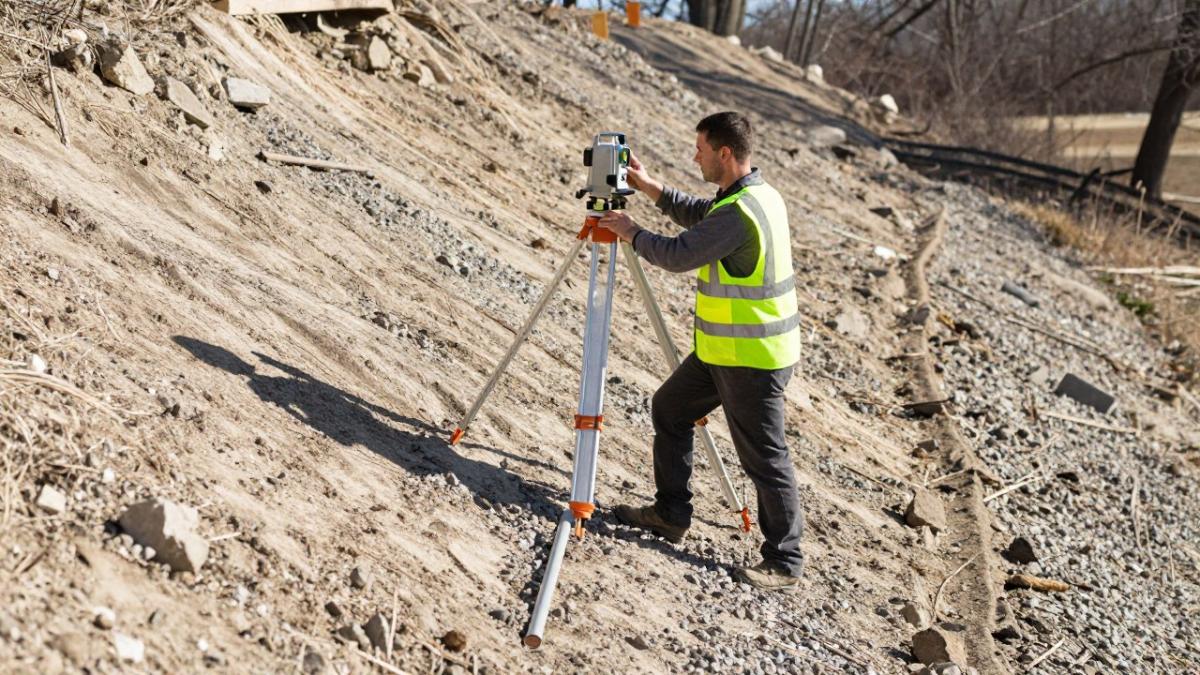
Before any base goes in, test the subgrade. For more ways to catch base problems early, see seven base inspection methods that catch failures early.
Soil and site conditions change the design more than any other factor. Clay holds water and loses strength when saturated, so it often needs a deeper base, a separation geotextile, or an underdrain. Frost-prone ground can heave and loosen the base seasonally, which argues for deeper, well-draining layers.
Edge Restraints and High-Stress Zones
Edge restraints deserve their own attention on heavy-vehicle driveways. Concrete curb, restrained edge pavers or a comparable system on every exposed edge keeps the field from spreading outward under repeated axle loads. Where trucks turn, brake or park, lateral forces are highest, so specify the strongest restraint the design allows at those points and consider a thicker paver or a reinforced section there.
Permits, Standards and Verification
Before construction, confirm what your local stormwater and paving rules require for a permeable system. Ask the manufacturer for the tested assembly behind any load rating, keep the gradation and compaction records from the build, and have the finished base inspected before pavers go down.
Maintaining a Permeable Driveway Under Heavy Use
Heavy use shortens maintenance intervals. Sweep the joints regularly to keep them open and check for rutting, cracked pavers or sunken areas after each season. Keep fluids such as oil and fuel off the surface wherever you can, because they reduce the performance of permeable systems.
Areas around dumpsters and truck turning points take the most punishment. For a broader maintenance plan that fits your paving schedule, see our asphalt driveway maintenance schedule for 2026. Our guide to protecting asphalt around dumpsters covers practical steps for heavy-traffic corners, and sealcoating for small business parking lots explains how a protective coat supports ongoing upkeep.
Scheduling a Site Assessment Before You Build
Before you buy materials, arrange a site assessment that checks the soil, drainage, expected vehicles and traffic frequency. A good assessment answers whether a permeable system will work at all and which type fits.
The assessment should also confirm how the surface will be prepared. Our guide on preparing a driveway for asphalt paving outlines the steps a site review should verify before any paving begins, and the same excavation and compaction principles apply to permeable base work.
Advanced Paving and Sealcoating, Inc. has over 20 years of experience with paving and sealcoating across Central Illinois and can help you decide whether a permeable system fits your site and vehicles.
Frequently Asked Questions
Can you drive a heavy truck on permeable pavers?
Some can, but only with the right system. Permeable concrete can handle heavier loads, yet increased surface abrasion may make it deteriorate faster than conventional pavement. Heavy trucks need a thicker, well-compacted aggregate base, reinforced grid or heavy-duty paver rated for the expected load, and joints filled with appropriate infill. Ask the installer for the load rating and the base design before committing, and confirm the expected vehicle weights and how often they will cross the surface.
What are the downsides of permeable paving?
Permeable paving generally has lower load-bearing capacity than conventional pavement and is not ideal for high-traffic or high-speed areas or locations with heavy axle loads. Surface abrasion can also shorten service life under heavy use. Joint infill can wash out or weeds can establish if maintenance lapses, and installation costs depend on base excavation, materials and site conditions, so get a written quote rather than assuming a lower price.
What base is needed under permeable pavers for heavy vehicles?
A heavy-vehicle permeable driveway needs a deeper, open-graded aggregate base that is compacted in lifts over a stable subgrade. The depth depends on the soil, expected loads and drainage, so it should be engineered for the specific site rather than copied from a generic example. Confirm the design with the installer and check that the base drains freely so water does not sit under the pavers during freeze-thaw cycles common in Illinois winters.
How do you maintain a permeable driveway used by heavy vehicles?
Vacuum or pressure-wash the surface periodically to keep joints open, and refill joint or grid infill when it settles. Remove weeds early, avoid turning heavy vehicles on the same spot repeatedly, and repair any settled or cracked pavers promptly to prevent further movement. Check drainage after heavy rain, since clogged joints reduce infiltration. Regular inspection catches small problems before they require base work.

Comments