
How to Prevent Parking Lot Potholes: A Step-by-Step Guide
Table of Contents
Why Parking Lot Potholes Form and Why Prevention Matters
Water infiltration and freeze-thaw cycles
Heavy traffic and vehicle loads
Step 1: Establish a Parking Lot Inspection Checklist
What to look for during routine inspections
Inspection frequency by season and traffic
Step 2: Address Parking Lot Drainage Solutions
Identifying standing water and ponding issues
Improving grading and surface water flow
Step 3: Seal Cracks Before They Become Potholes
When to use rubberized crack filler
Timing crack sealing to prevent water intrusion
Step 4: Apply Asphalt Sealcoating for Parking Lots
How sealcoat protects the pavement surface
Sealcoating frequency and lifecycle benefits
Step 5: Clean Debris and Maintain Surface Integrity
Step 6: Repair Potholes Promptly to Stop Spread
Cold patch versus professional asphalt repair
When to replace versus repair sections
Climate and Seasonal Prevention Strategies
Freeze-thaw cycle preparation in winter climates
Spring inspection and post-winter repairs
Frequently Asked Questions
Last Updated: October 19, 2026
Why Parking Lot Potholes Form and Why Prevention Matters
Potholes don't appear overnight. To prevent parking lot potholes, you first need to understand what causes them.
Water infiltration is the primary culprit. Rain or snow melt seeps through small cracks to the base layer.
Heavy traffic accelerates this process. Each vehicle driving over a weakened spot adds pressure, so commercial lots with constant loads see potholes form much quicker than lightly used areas.
Key Takeaway The best time to prevent potholes is before they form. Once water gets into your asphalt, damage spreads fast. Prevention costs far less than repair.
Water infiltration and freeze-thaw cycles
Water infiltrates through cracks, seams, and worn spots. In freeze-thaw cycles, it expands when frozen, pushing up on the surface; when it thaws, gaps form underneath and the pavement loses support.
This cycle repeats dozens of times each winter in colder regions. By spring, a small crack has become a serious problem.
Heavy traffic and vehicle loads
Commercial lots handle constant pressure. Delivery trucks, customer vehicles, and daily traffic stress the same spots repeatedly, and heavier vehicles accelerate surface deterioration.
Areas near loading docks, entrances, and parking spaces see the most damage. These high-traffic zones need extra attention during maintenance.
Step 1: Establish a Parking Lot Inspection Checklist
The first step to prevent parking lot potholes is knowing what to look for.

An inspection doesn't require special equipment. Walk your lot, look for cracks, standing water, and soft spots, and document what you find to track how quickly problems develop.
What to look for during routine inspections
Start with visible cracks. Small cracks are easy to miss but critical to catch. Use your parking lot inspection checklist to mark:
Hairline cracks (thin lines in the surface)
Wider cracks (over 1/4 inch)
Alligator cracking (interconnected cracks resembling alligator skin)
Potholes or soft depressions
Check lot edges where runoff concentrates; these deteriorate faster. Inspect parking spaces, drive lanes, and loading areas separately, with closer attention to high-traffic zones.
Feel the surface as you walk. Soft spots indicate water damage underneath. Mark these areas for sealcoating or repair.
Inspection frequency by season and traffic
Parking lot inspection frequency depends on your climate and traffic volume.
For commercial parking lots with heavy traffic:
Spring: Full inspection after winter (critical)
Summer: Monthly visual check
Fall: Pre-winter inspection
Winter: Monthly checks after significant snow or thaw events
For light-use lots:
Spring and fall: Twice yearly inspections
Summer: One visual check
Winter: One inspection after major weather events
Document each inspection with photos and notes. This creates a maintenance history. It helps you plan repairs and budget for sealcoating.
Step 2: Address Parking Lot Drainage Solutions
Poor drainage is a silent killer of asphalt. Water that sits on your lot finds its way into cracks, and ponding areas deteriorate first, so improving drainage prevents pooling in the first place.
Identifying standing water and ponding issues
After rain, walk your lot and look for areas where water collects. These puddles indicate grading problems; water should flow toward storm drains or away from the pavement.
Common ponding locations:
Low spots in the middle of parking spaces
Depressions along drive lanes
Areas near building foundations
Edges of the lot where grading slopes inward
Standing water typically disappears within 24 hours if drainage works properly. If puddles remain for days, you have a drainage problem.
Mark these areas on your lot map; they need attention first.
Improving grading and surface water flow
Surface water flow depends on grading.
If water pools in your lot, you have several options:
Regrade the surface to improve slope
Install or repair storm drains
Add swales (shallow channels) to direct water flow
Clear debris from existing drains
Start with simple fixes. Clear dirt, leaves, and gravel from storm drains and drainage areas. This costs nothing and often solves minor ponding.
If ponding persists, you may need professional grading assessment. Advanced Paving and Sealcoating, Inc. can evaluate your lot's drainage and recommend solutions.
Pro Tip After heavy rain, take photos of your parking lot. If you see puddles in the same spots each time, that's your drainage problem area. Prioritize fixing these zones first.
Step 3: Seal Cracks Before They Become Potholes
Cracks are the gateway to pothole formation. Water enters through them and damage spreads, so sealing cracks stops water infiltration before it starts.
Crack sealing is one of the most cost-effective prevention strategies, far cheaper than pothole repair, yet many property managers skip it.
When to use rubberized crack filler
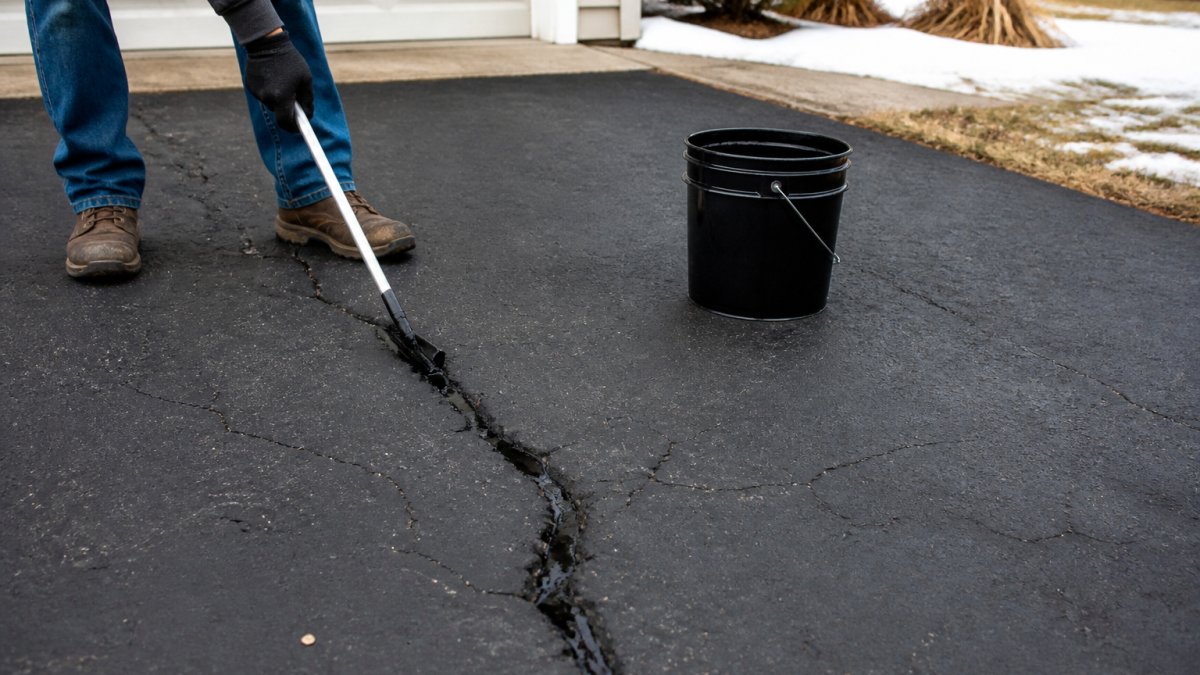
Rubberized crack filler is the standard choice for asphalt cracks.
Use rubberized crack filler for:
Cracks wider than 1/8 inch but less than 1/2 inch
Linear cracks (straight line cracks)
Cracks in good condition (not crumbling edges)
For hairline cracks under 1/8 inch, liquid sealers work better. For wider cracks over 1/2 inch, you may need routing and specialized materials.
Before filling, remove loose debris, dirt, and vegetation, dry the crack completely, apply filler slightly overfilled, and allow proper curing before traffic.
Timing crack sealing to prevent water intrusion
Seal cracks in dry weather; spring and fall are ideal. Avoid rain or nights below 50°F.
A good rule: seal cracks before winter to prevent water from freezing inside cracks during freeze-thaw cycles.
Don't wait for cracks to grow. Small cracks are easier and cheaper to seal. Once a crack becomes a pothole, you're dealing with structural damage.
Step 4: Apply Asphalt Sealcoating for Parking Lots
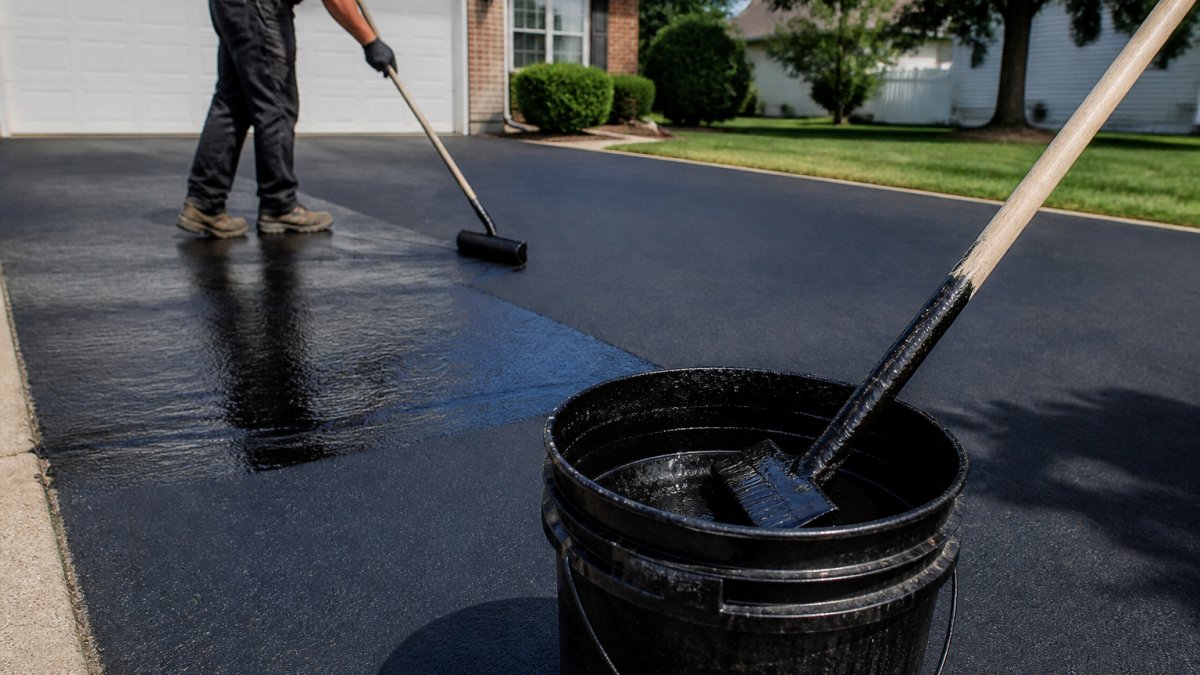
Sealcoating is your lot's primary defense against UV damage, oxidation, and water penetration, extending pavement life significantly.
Think of sealcoat as sunscreen for asphalt. Without it, UV rays break down the binder that holds asphalt together. The surface becomes brittle and cracks easily.
How sealcoat protects the pavement surface
Sealcoat fills small voids and creates a water-resistant barrier that keeps water from infiltrating cracks and reaching the base layer.
Sealcoat also protects against:
UV radiation that causes oxidation
Chemical spills that degrade asphalt
Salt and de-icing compounds
Tire wear that exposes aggregate
A sealed parking lot stays darker and looks newer longer. More importantly, it stays stronger.
Sealcoating frequency and lifecycle benefits
Most parking lots need sealcoating every 2-3 years. High-traffic lots may need it annually.
The first sealcoat application is critical. It should happen within 6-12 months of new asphalt installation.
Sealcoating extends pavement life by 5-10 years compared to unsealed lots. This means fewer potholes, fewer repairs, and lower overall maintenance costs.
Watch Out Never sealcoat over active cracks or potholes. Seal and repair the pavement first. Sealcoat over damage will fail quickly and waste money.
Step 5: Clean Debris and Maintain Surface Integrity
Debris also clogs storm drains; when drains clog, water pools, infiltrates cracks, and the cycle of damage begins.
Clean your parking lot regularly:
Weekly: Remove visible debris
Monthly: Sweep parking spaces and drive lanes
After storms: Clear debris immediately
Before winter: Deep clean to remove all accumulated material
Power washing removes algae and stains. It also clears debris from cracks and seams.
Keep drainage areas clear. Remove dirt and leaves from storm drains. Ensure water flows freely toward drainage points.
Surface integrity depends on keeping your lot clean. Simple maintenance prevents expensive problems.
Step 6: Repair Potholes Promptly to Stop Spread
Despite prevention efforts, potholes sometimes form. Repair them immediately; a single pothole spreads damage to surrounding pavement if left unrepaired.
Potholes create safety hazards: vehicles hit them, liability issues arise if someone is injured, and water entering through the damage creates more potholes nearby.
Cold patch versus professional asphalt repair
Cold patch is a temporary, self-applied asphalt mix that requires no heating.
However, cold patch doesn't last. It typically holds for a few months.
Professional asphalt repair uses hot mix asphalt. The contractor cleans the pothole, prepares the base, and applies heated asphalt.
For parking lots, professional repair is worth the investment. It prevents the pothole from recurring within weeks.
When to replace versus repair sections
Small potholes (under 3 feet) are repaired. Larger damaged areas might need section replacement.
Consider replacement if:
Damage covers more than 25% of a parking space
Multiple potholes are clustered together
The base layer is compromised
The pavement is already near end-of-life
Replacement costs more upfront but provides better long-term value. A newly paved section lasts 15-20 years. Repeated repairs on a failing lot become expensive quickly.
Advanced Paving and Sealcoating, Inc. can assess whether repair or replacement makes sense for your situation.
Climate and Seasonal Prevention Strategies
Climate affects how aggressively potholes form. Freeze-thaw cycles in colder regions create ideal conditions, so seasonal prevention strategies differ by climate.
Freeze-thaw cycle preparation in winter climates
Winter is pothole season in colder regions. Freeze-thaw cycles are relentless. Preparation starts in fall.
Before winter:
Seal all visible cracks
Apply fresh sealcoat if needed
Clean storm drains thoroughly
Repair existing potholes
Clear debris from lot edges
During winter:
Remove snow and ice promptly
Avoid salt when possible (it accelerates damage)
Check for new cracks weekly
Keep drainage areas clear
After winter thaw:
Inspect for new damage immediately
Repair potholes quickly before they spread
Seal any new cracks
Plan spring sealcoating
Winter preparation prevents most freeze-thaw damage. A lot that's sealed and drained before winter survives much better.
Spring inspection and post-winter repairs
Spring is when winter damage becomes visible, making spring inspection critical. You'll find new cracks and potholes formed during freeze-thaw cycles.
Spring priorities:
Full parking lot inspection
Document all damage with photos
Repair potholes immediately
Seal new cracks
Plan sealcoating for late spring or early summer
Spring repairs prevent summer problems. A lot maintained after winter stays strong through the rest of the year.
Season | Priority Action | Timing | Frequency |
Spring | Full inspection and repairs | After thaw | Once yearly |
Summer | Monthly visual checks | Throughout season | Monthly |
Fall | Pre-winter preparation | September-October | Once yearly |
Winter | Emergency repairs only | As needed | As problems arise |
According to the Asphalt Pavement Association's maintenance guidelines, properties that follow preventive maintenance protocols reduce pavement damage costs by up to 60% over the pavement's lifetime.
The Federal Highway Administration's guidance on asphalt preservation emphasizes that timely preventive maintenance extends pavement life and reduces lifecycle costs significantly. Research from the Transportation Research Board on pavement preservation strategies confirms that seal coating and crack repair are among the most cost-effective investments a property owner can make.
At Advanced Paving and Sealcoating, Inc., we're here to help. We provide professional parking lot inspections, drainage solutions, crack sealing, sealcoating, and emergency pothole repair.
Frequently Asked Questions
What causes potholes in asphalt parking lots?
Potholes form when water infiltrates cracks in the asphalt pavement and reaches the base layer beneath. During freeze-thaw cycles, this trapped water expands and contracts, weakening the subbase. Combined with heavy vehicle traffic and loads pressing down on the damaged area, the pavement surface collapses inward, creating a pothole. Poor drainage that allows standing water to pool accelerates this process significantly.
How often should a commercial parking lot be inspected for potholes?
Conduct routine inspections at least monthly during normal conditions, and every two weeks during spring and after heavy rain when water damage risk is highest. In freeze-thaw climates, increase inspections to weekly during winter months and early spring. Document all findings on a parking lot inspection checklist to track deterioration patterns and prioritize repairs before small cracks become large potholes.
Does sealcoating prevent parking lot potholes?
Asphalt sealcoating for parking lots significantly reduces pothole risk by sealing the pavement surface against water infiltration, UV damage, and oxidation. Sealcoat creates a protective barrier that extends pavement life and slows surface deterioration. However, sealcoating works best as part of a complete prevention strategy that includes crack sealing, drainage solutions, and timely repairs. Applied every 2-3 years, it protects your investment and reduces long-term maintenance costs.
How does drainage affect pothole formation?
Poor drainage is a primary cause of pothole development. When parking lot drainage solutions fail, surface water pools and ponds in low spots, forcing moisture into cracks and the base layer. This standing water accelerates pavement damage, especially in freeze-thaw cycles. Improving grading, installing or maintaining proper drainage systems, and clearing debris from drainage areas prevents water accumulation and significantly reduces pothole risk.
GET A FREE ESTIMATE

Comments