
10 Reasons to Hire Professional Asphalt Sealcoating
Table of Contents
1. Extends Pavement Lifespan Significantly
2. Protects Against UV Rays and Asphalt Oxidation
3. Prevents Water Penetration and Structural Damage
4. Mitigates Freeze-Thaw Cycle Damage
5. How Often to Sealcoat Asphalt for Maximum Protection
6. Asphalt Driveway Maintenance Tips Between Applications
7. Cost of Professional Sealcoating vs. Long-Term Repair Bills
8. Enhances Curb Appeal and Property Value
Why Professional Application Matters
Getting Started with Professional Sealcoating
Frequently Asked Questions
Last Updated: September 28, 2026
1. Extends Pavement Lifespan Significantly
Professional asphalt sealcoating adds years to your pavement's life. Without it, your driveway or parking lot faces constant deterioration from weather, traffic, and UV exposure. A well-maintained asphalt surface can last 15-20 years or more, while unprotected pavement often fails within 5-7 years.
Sealcoating creates a protective barrier that slows asphalt oxidation. This oxidation process hardens the asphalt binder, making the pavement brittle and prone to cracking. When you apply professional sealcoating every 2-3 years, you're essentially hitting pause on that aging process.
The math is simple: a small investment in preventative maintenance beats paying for major repairs or complete replacement later. The math is simple: a small investment in preventative maintenance beats paying for major repairs or complete replacement later.
2. Protects Against UV Rays and Asphalt Oxidation
The sun damages asphalt every single day. UV rays penetrate the surface and break down the bitumen that holds your pavement together. This is asphalt oxidation, and it's relentless.
Sealcoat acts like sunscreen for your driveway. A quality sealant reflects UV rays and prevents them from reaching the asphalt binder underneath. This protection is essential in climates with intense sun exposure or long summers.
Without this shield, your pavement fades from black to gray within a few years. More importantly, the structural integrity weakens. Cracks appear. Water seeps in. The damage accelerates from there.
Professional contractors apply sealcoat at the right thickness and coverage. They know how to prep the surface so the sealant bonds properly.
3. Prevents Water Penetration and Structural Damage
Water is asphalt's worst enemy. Once it gets beneath the surface, it destroys the base layers and causes catastrophic failure. A single freeze-thaw cycle with water trapped inside can crack pavement that seemed fine days earlier.
Sealcoating seals the pores in the asphalt and prevents water from soaking in. This waterproofing effect protects not just the top layer but the entire pavement structure below. When water can't penetrate, the base stays intact and the pavement lasts longer.
Cracks are entry points for water damage. Even tiny hairline cracks let moisture through. Professional sealcoating fills small cracks and seals the entire surface, creating a water-resistant layer.
The cost of water damage is severe. Potholes form. Sections crumble. Repairs become expensive and disruptive. Prevention through professional sealcoating is far cheaper.
4. Mitigates Freeze-Thaw Cycle Damage
In colder climates, freeze-thaw cycles destroy unprotected asphalt. Water enters small cracks, freezes, expands, and pushes the pavement apart. The cycle repeats with each winter, and damage accumulates rapidly.
Sealcoating prevents water from entering those cracks in the first place. By keeping moisture out, you eliminate the mechanism that causes freeze-thaw damage. This is critical in regions with harsh winters.
Professional sealcoating also maintains pavement flexibility. A properly sealed surface resists the stress of expansion and contraction better than bare, oxidized asphalt. The sealant itself acts as a cushioning layer.
The structural integrity of your pavement depends on this protection. Without it, winter can turn a decent driveway into a pothole-filled nightmare in just a few seasons.
5. How Often to Sealcoat Asphalt for Maximum Protection
Most properties need professional sealcoating every 2-3 years for maximum protection. The exact timing depends on traffic volume, climate, and the quality of the previous application.
High-traffic commercial lots may need sealcoating every 18-24 months. Residential driveways with moderate use typically last 2-3 years between applications. Harsh winters or intense sun exposure can shorten this window.
Several factors determine when to reseal:
Traffic volume: Heavy use wears the sealant faster
Climate: Cold, wet climates require more frequent applications
Sun exposure: Direct, intense sun degrades sealant faster
Previous application quality: Professional work lasts longer than DIY attempts
A professional contractor can assess your specific pavement and recommend the right schedule.
Waiting too long between applications defeats the purpose. Once the sealant wears away, unprotected asphalt starts oxidizing again. The protective barrier is gone.
6. Asphalt Driveway Maintenance Tips Between Applications
Keeping your pavement in good condition between sealcoating applications extends its life and protects your investment.
Regular cleaning removes debris and prevents buildup. Sweep or blow off leaves, dirt, and gravel. Clean surfaces allow you to spot problems early.
Fill cracks promptly. Small cracks are easy to fix. Ignore them, and they become large cracks that let water in. Professional crack filling prevents water penetration and stops damage from spreading.
Remove stains quickly. Oil, grease, and chemical spills damage asphalt. Clean spills as soon as they happen. Use appropriate cleaners and avoid letting stains set.
Avoid heavy loads. Parked vehicles are fine, but avoid storing heavy equipment or materials on your driveway for extended periods. Weight accelerates wear.
Control drainage. Make sure water drains away from your pavement. Standing water is asphalt's enemy. Proper grading and drainage prevent water from pooling.
Monitor for damage. Walk your property regularly and look for new cracks, soft spots, or raveling (surface aggregate loss). Catching problems early is cheaper than waiting.
Professional maintenance between sealcoating applications is often worth the cost. Small repairs prevent expensive damage later.
7. Cost of Professional Sealcoating vs. Long-Term Repair Bills
The upfront cost of professional sealcoating is modest compared to the alternative. Ignoring maintenance leads to expensive repairs and premature replacement.
A driveway that gets regular sealcoating may need patching or crack filling over its lifetime, but the overall cost is predictable and manageable. A neglected driveway faces potholes, surface raveling, structural failure, and eventual replacement.
Consider the timeline:
Year 1-5 (neglected): No maintenance costs, but surface begins oxidizing and cracking
Year 5-10 (neglected): Cracks widen, potholes appear, repairs become necessary
Year 10+ (neglected): Complete replacement may be the only option
With professional sealcoating and basic maintenance, that same driveway can last 15-20 years with minimal unexpected costs.
The cost-benefit is clear. Preventative maintenance is far cheaper than reactive repairs. Advanced Paving and Sealcoating, Inc. can provide a free estimate for your specific property.
8. Enhances Curb Appeal and Property Value
First impressions matter. A well-maintained asphalt surface looks professional and cared for. A neglected one signals poor maintenance and reduces property appeal.
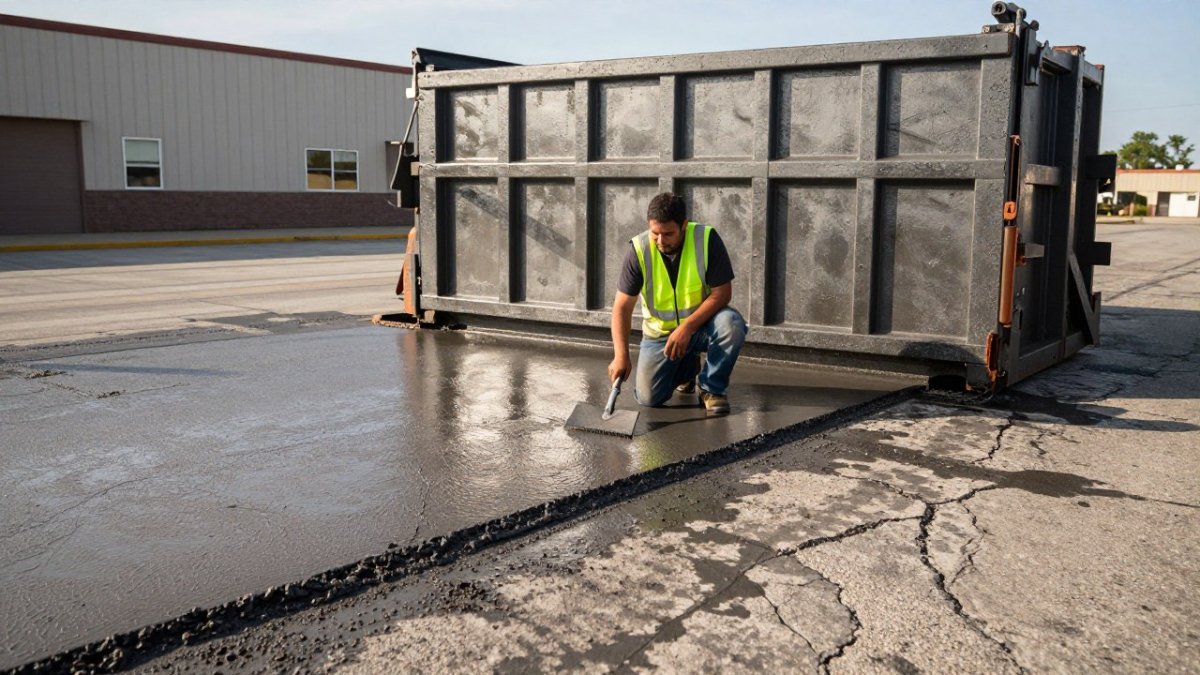
Freshly sealed asphalt is deep black and looks new. This visual impact improves curb appeal significantly. For commercial properties, it sends a message of professionalism and attention to detail. For residential properties, it enhances the overall appearance of your home.
Property value is affected by the condition of your driveway or parking lot. Potential buyers or tenants notice cracked, faded, or potholed pavement. A well-maintained surface suggests the entire property is well-cared-for.
Sealcoating also improves safety. A sealed surface is less slippery than bare asphalt in wet conditions.
The aesthetic and practical benefits combine to make professional sealcoating a smart investment. Your property looks better, functions better, and maintains its value longer.
Pro Tip Schedule sealcoating during dry weather with temperatures between 50-85°F. Professional contractors plan applications for optimal conditions, ensuring the sealant cures properly and bonds securely to the asphalt surface.
Why Professional Application Matters
The difference between a sealcoating job that lasts 2-3 years and one that fails in months comes down to three factors: surface preparation, application equipment, and curing conditions. Professional contractors control all three; DIY attempts typically fail on at least one.

Surface Preparation: The Foundation of Adhesion
Sealcoat only works if it bonds to the asphalt. This requires a clean, dry surface free of dirt, algae, oil residue, and oxidized asphalt particles. Most DIY failures start here.
Professional contractors use pressure washing to remove embedded dirt and algae. They follow with a degreaser for oil-stained areas, then allow the surface to dry completely before application.
Algae and mildew are particularly problematic. They're invisible to the naked eye but create a slick barrier that sealcoat cannot penetrate. Professional contractors use specialized cleaners to remove biological growth.
Application Equipment: Spray vs. Squeegee
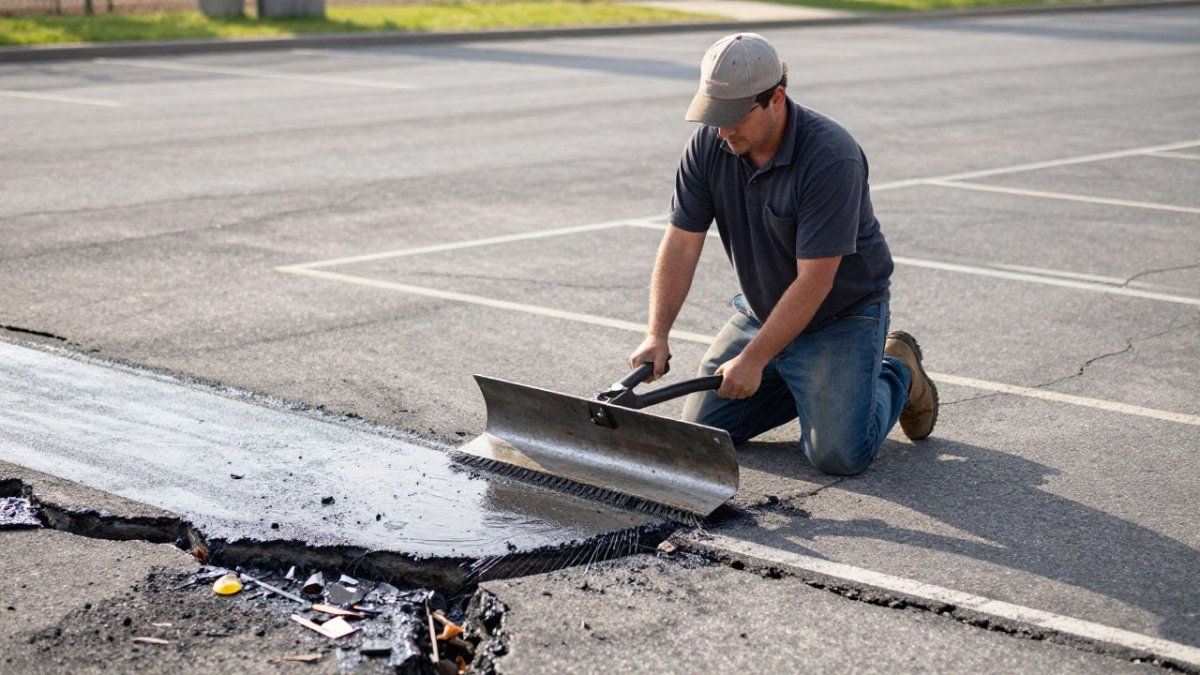
Commercial sealcoating equipment applies product at a controlled rate with uniform coverage. Professional spray rigs use pressure and airflow to atomize the sealant and distribute it evenly across the surface. This creates a consistent, durable coating.
Professional equipment also allows contractors to work faster.
Curing Science: Temperature, Humidity, and Timing
Sealcoat cures through a combination of water evaporation and chemical cross-linking. The process is sensitive to temperature and humidity.
Professional contractors monitor weather forecasts and schedule applications during windows when curing conditions are ideal.
The Cost of Poor Application
DIY materials might cost $100-300, but the labor is wasted if the job fails. More importantly, the unprotected asphalt then faces 2-3 more years of UV and water damage, shortening its lifespan significantly.
Key Takeaway The technical requirements of sealcoating, proper surface chemistry, equipment precision, and curing science, are why professional application delivers protection. The upfront cost difference is small compared to the cost of premature failure or accelerated asphalt damage.
Getting Started with Professional Sealcoating
The first step is a professional assessment of your pavement. A contractor evaluates the current condition, identifies any damage, and recommends the right maintenance plan.
Advanced Paving and Sealcoating, Inc. offers free estimates for residential and commercial properties. Our team has over 20 years of experience with asphalt sealcoating.
We handle surface preparation, crack filling, and professional sealcoating application. Our integrity-driven approach means we recommend only the work your property actually needs. We're available 24/7 for emergencies.
Frequently Asked Questions
How often should you sealcoat your residential driveway?
Most driveways benefit from professional sealcoating every 2-3 years, depending on traffic volume, weather exposure, and climate conditions. High-traffic commercial lots may need annual applications. Climate factors like freeze-thaw cycles accelerate asphalt oxidation, requiring more frequent maintenance in regions with harsh winters. A professional contractor can assess your specific pavement condition and recommend the optimal schedule for your property.
What is the primary benefit of professional asphalt sealcoating?
Professional asphalt sealcoating creates a protective barrier that prevents water penetration, UV degradation, and chemical spills from damaging the asphalt binder. This protection directly extends pavement longevity by 5-10 years or more, preventing costly structural repairs. The sealant fills surface voids and restores the pavement's appearance while safeguarding against freeze-thaw cycle damage that causes cracking and raveling.
Is it better to hire a professional or DIY sealcoat your driveway?
Professional contractors have the equipment, training, and materials to ensure proper surface preparation, correct sealant application rates, and adequate curing time, all critical for durability.
What are the common signs that your asphalt needs sealcoating?
Look for surface raveling (aggregate loss), visible cracks, faded color, oil stains, or rough texture. These indicate asphalt oxidation and degradation of the bitumen binder. Water pooling or moisture penetration signals that the surface no longer repels water effectively. If your driveway hasn't been sealcoated in 2-3 years or shows signs of UV damage and weathering, professional sealcoating can restore its integrity before structural damage occurs.
GET A FREE ESTIMATE

Comments